
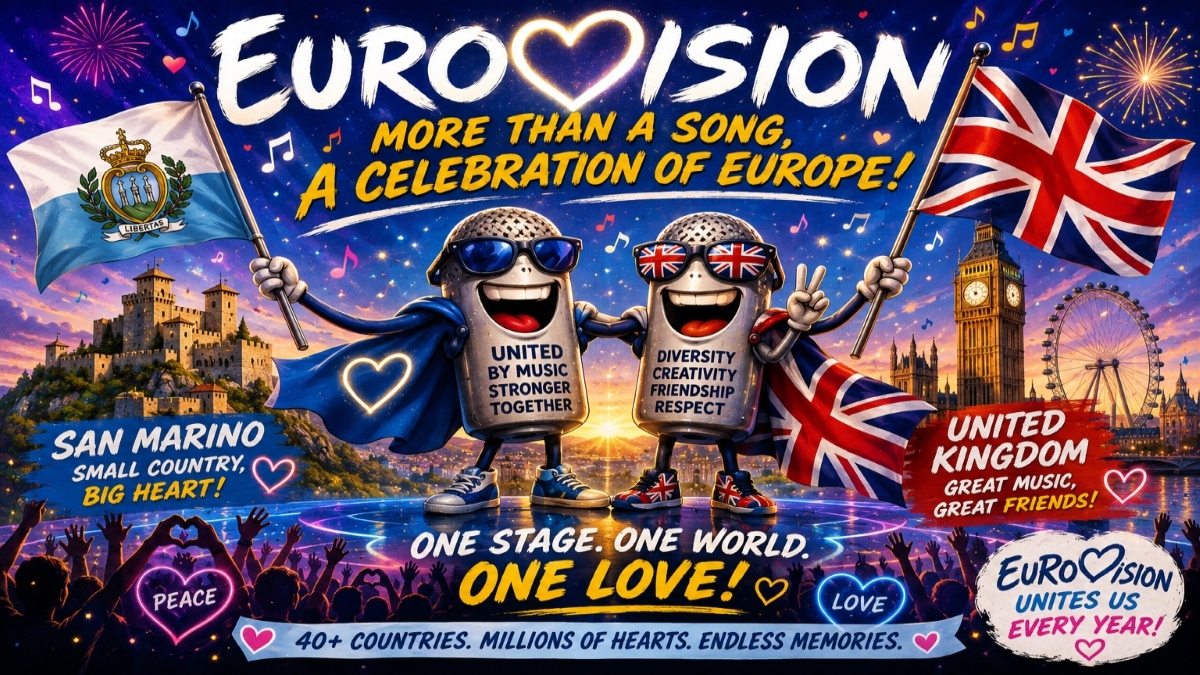
Every year, millions of Europeans gather around televisions, mobile phones, theatres, bars, and public squares to watch the Eurovision Song Contest.
Eurovision remains one of the few moments in modern Europe where countries compete without hostility, where national identity is celebrated without conflict, and where culture becomes stronger than politics.
In a continent often marked by economic tensions, wars, ideological disputes, and institutional disagreements, Eurovision reminds Europeans that they still share something fundamental: the ability to laugh together, sing together, and celebrate diversity without fear.
This is no small achievement. Culture has always been one of the most powerful forms of diplomacy. Long before treaties, armies, or trade agreements, civilisations connected through music, theatre, literature, and art. Cultural diplomacy humanises international relations. It creates understanding and sympathy between people long before governments begin formal discussions.
For smaller countries such as San Marino, Eurovision is especially important. It allows a small republic to speak to hundreds of millions of people not through power or size, but through creativity, openness, and personality.
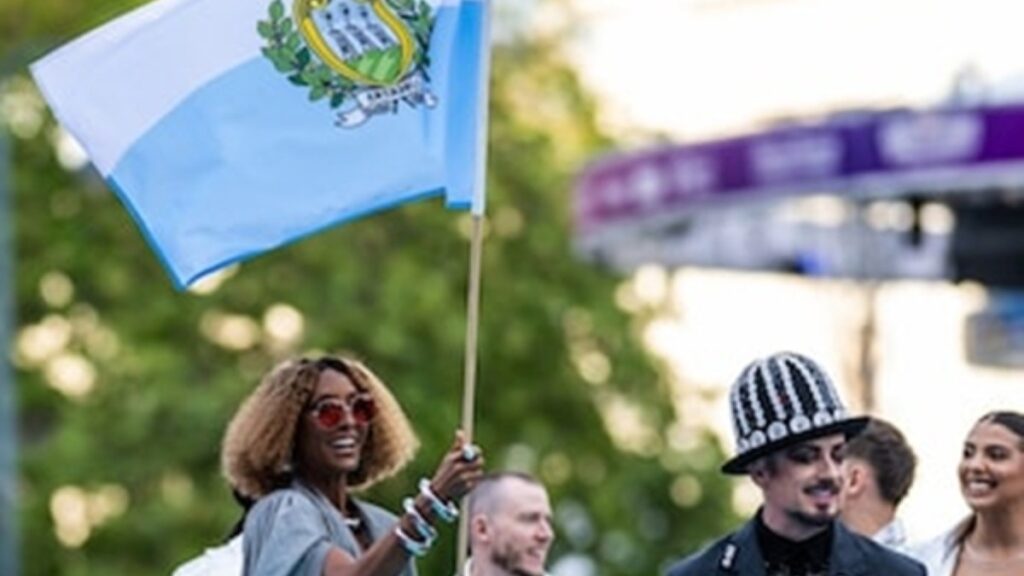
This year, San Marino’s Eurovision participation, involving a collaboration between iconic British artist Boy George and Senhit, symbolises precisely this modern European spirit: cooperation across borders, generations, and cultures.
It is also a positive reflection of the growing relationship between San Marino and the United Kingdom. Following the Double Taxation Agreement between the two countries, cultural cooperation demonstrates that international relations are built not only through finance and institutions, but also through shared experiences and public goodwill.
Critics often underestimate the economic value of cultural visibility. Eurovision promotes tourism, hospitality, music industries, creative sectors, and international branding. Countries spend millions attempting to build positive international visibility through advertising campaigns; Eurovision achieves this naturally in a single evening.
Most importantly, Eurovision allows younger generations to experience Europe emotionally rather than bureaucratically. Europe will endure not only because of treaties or markets, but because Europeans continue finding reasons to enjoy being connected.
And Eurovision, despite all its imperfections, continues to achieve exactly that.
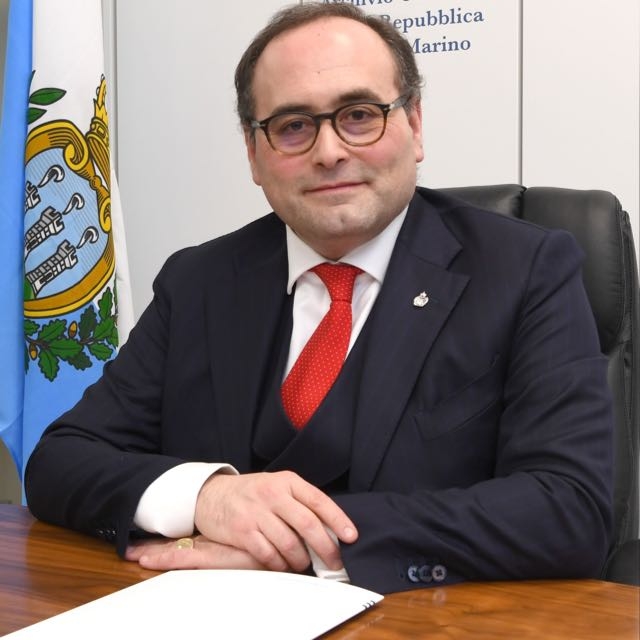
Being approached by The Telegraph, Consul Bragagni commented: “The participation of iconic British artist Boy George alongside Senhit represents a very exciting and symbolic partnership between San Marino and the United Kingdom.
San Marino has always been open to international collaborations, and certainly the Republic would welcome future opportunities to work together with British artists and talents”.
Furthermore, he added, “Cultural diplomacy allows countries to speak directly to people rather than only through institutions and politics. From this perspective, Eurovision is much more than a music competition. For San Marino, participating alongside internationally recognised artists helps reinforce its image as an open, modern and internationally connected republic.”

